Hiking in the Tatras: Giewont, Kościeliska Valley and Safety
Updated October 28, 2026 · 5 min read
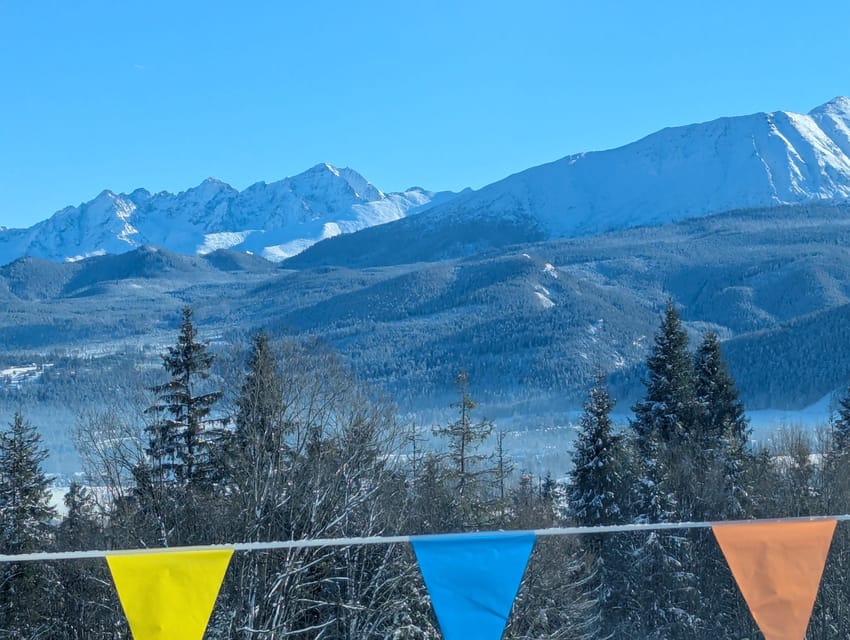
Kościeliska Valley is the more forgiving first hike; Giewont is a summit objective that needs suitable weather, fitness and comfort with exposed ground. They are not interchangeable versions of the same day. Choose by conditions and experience, not by which name appears most often in photographs.
Kościeliska Valley: distance without summit exposure
The green-marked route begins at Kiry and follows a broad valley towards the shelter on Hala Ornak. The main line is easier to navigate than a summit trail and lets you turn around when the group has had enough. Side caves and gorges add difficulty and should be separate decisions, not automatic additions.
This is still a mountain walk. Rain, ice and early darkness change an otherwise approachable route. Horse carriages operate only on part of the valley and do not replace the whole walk. For a first Tatra day, the valley gives you scenery and a flexible turnaround without committing to chains or a crowded summit.
Giewont: the final section changes the hike
Giewont rises directly above Zakopane, but visibility from town says little about conditions near the top. The summit routes involve substantial ascent, and the final section uses chains on exposed rock. Queues can develop there, making retreat and timing harder. If thunderstorms are forecast, the metal cross and exposed ridge make the summit an especially poor objective.
Do not treat a lowland forecast as a mountain report. Tatra National Park publishes current trail conditions and closures, while TOPR provides safety information and, when relevant, an avalanche bulletin. TOPR advises planning to reach safe terrain before dark, carrying an alternative plan and matching the route to the least experienced person.
Make the decision on the morning
Check the TPN tourist bulletin, weather and daylight, then choose the route. In snow or ice, summer walking times and equipment assumptions no longer apply. An avalanche level is not a guarantee that every path is safe; TOPR explicitly notes that local assessment and experience still matter.
If your group wants mountain scenery without choosing and navigating a summit route alone, compare the guided Tatra mountain options. If conditions are poor, use a lower Zakopane experience instead. Turning back is not a failed hike: in the Tatras it is often the decision that keeps a good day from becoming a rescue.